7 Reasons Why Social Impact Measurement Matters

Impact can’t be measured from the outside—it’s critical that we see it through the eyes of those experiencing it.
Much more than a box to check
It may seem at times like impact measurement is just a box you have to check, but it can (and should) be so much more. Here are 7 reasons measuring your impact is good for you and everyone else:
Get buy-in; do more good.
Measuring social impact is critical because it provides empirical evidence of the effectiveness of social initiatives. In an era where resources are increasingly constrained and accountability is demanded, it is essential to assess the outcomes of social interventions. By measuring social impact, organizations can demonstrate that their efforts lead to tangible, positive changes in communities or populations. This evidence-based approach not only justifies the allocation of resources but also enhances the credibility of the organization in the eyes of stakeholders, including donors, policymakers, and the public.
Spread good ideas.
Furthermore, the measurement of social impact allows for the identification and dissemination of best practices. Social initiatives are often complex and multifaceted, involving a range of activities and interventions. Through rigorous measurement, it becomes possible to discern which strategies are most effective in achieving desired outcomes. This knowledge can then be shared across organizations and sectors, promoting more efficient and impactful approaches to social challenges. In this way, social impact measurement contributes to the broader field of knowledge and practice in social change.
Find weaknesses (and improve).
In addition, social impact measurement is vital for continuous improvement within organizations. By systematically assessing the outcomes of their activities, organizations can identify areas where they are underperforming and make necessary adjustments. This iterative process of evaluation and improvement fosters a culture of learning and adaptability, which is crucial for responding to the dynamic and often unpredictable nature of social issues. Without such measurement, organizations risk stagnation or, worse, perpetuating ineffective or even harmful practices.
Change the status quo.
Moreover, social impact measurement plays a key role in informing policy decisions. Policymakers increasingly rely on data-driven insights to shape and refine public policy. By providing clear evidence of what works and what does not, social impact assessments can influence the direction of policy, ensuring that resources are allocated to initiatives that produce meaningful outcomes. This is particularly important in the context of social welfare, public health, and education, where the implications of policy decisions can have far-reaching consequences for society.
You owe it to others.
The ethical dimension of social impact measurement should also be acknowledged. Measuring the outcomes of social initiatives helps ensure that these efforts do not inadvertently cause harm or exacerbate existing inequalities. By closely monitoring the effects of their actions, organizations can be held accountable for unintended negative consequences and can take corrective action where necessary.
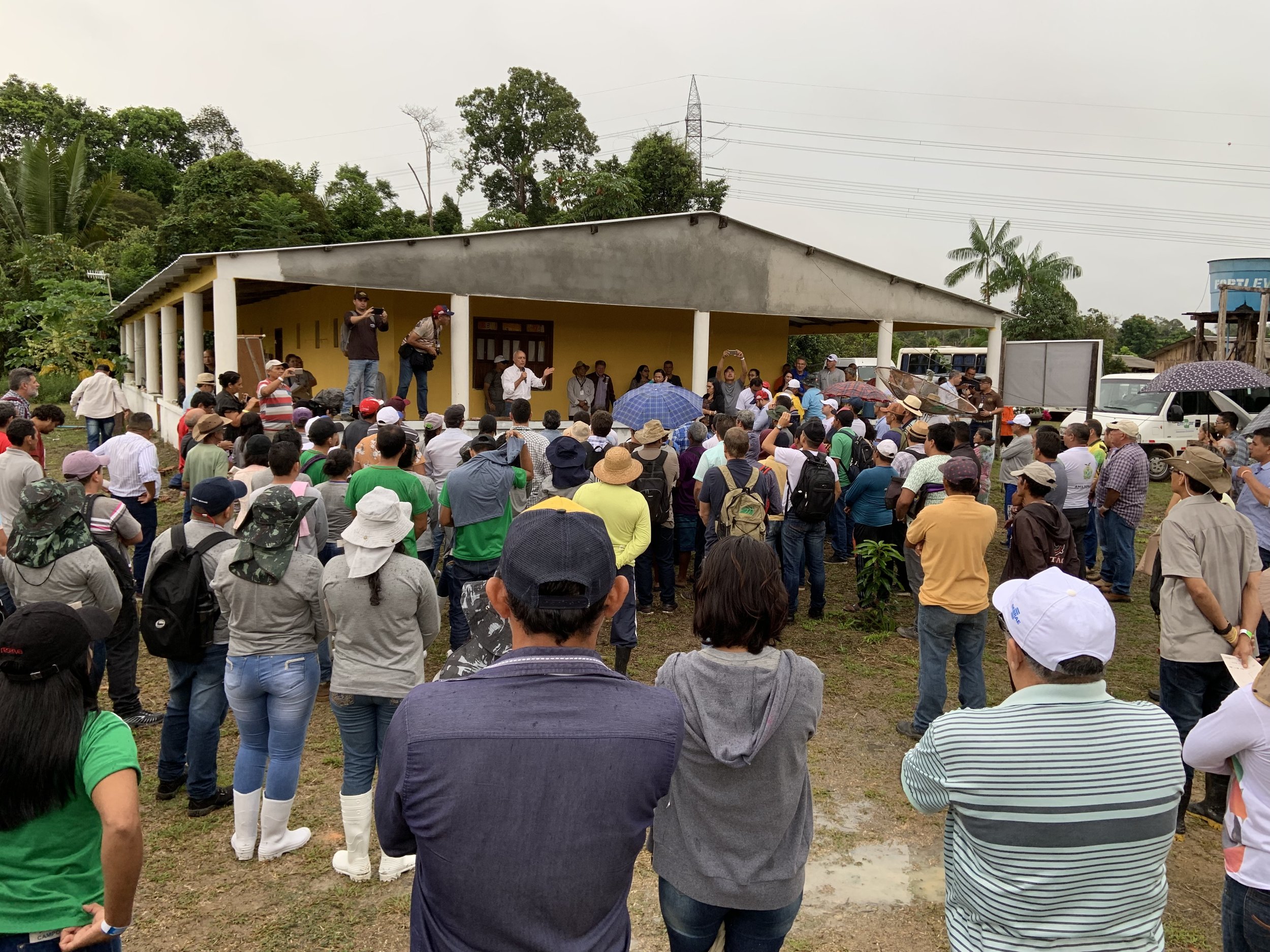
Transparency around social impact is a crucial way to engage stakeholders, get buy-in, and earn trust.
Transparency earns trust
Finally, the process of measuring social impact fosters greater transparency and trust between organizations and their stakeholders. When organizations openly share their impact data, they contribute to a culture of transparency that is essential for building trust. This is particularly important in sectors where trust has been eroded by scandals or failures. Transparent impact measurement allows stakeholders to see the direct correlation between the support they provide and the outcomes achieved, reinforcing their commitment and engagement with the organization's mission.
Closing thoughts
Social impact measurement is not merely a technical exercise but a crucial component of effective social change. It enables the demonstration of effectiveness, the refinement of strategies, the improvement of policies, the assurance of ethical practice, and the fostering of trust. In a world where social challenges are increasingly complex and interconnected, the ability to measure and understand social impact is indispensable for achieving meaningful and sustainable progress. If you want to start measuring your organization’s impact so you can do more good, do less harm, and get buy-in from stakeholders, we’re here to help.